
Emahoy Tsege Mariam Gebru
1923–2023

Explore a timeline of Emahoy’s life.
Prepared by Teddy Burns, adapted from dissertation research by Thomas T. Feng.
1.
Yewubdar Gebru was born in Addis Ababa on December 12th, 1923, to a privileged family with ties to high society. Her father, Kentiba Gebru, held positions as a mayor, governor, and imperial advisor, and her mother, Woizero Kassaye Yelemtu, was a descendent of Queen Seble Wongel.
At the age of six, Yewubdar, along with her older sister Senedu, was sent to a boarding school in Switzerland. The memory of her long voyage would later inspire her composition, The Song of the Sea. In Switzerland Yewubdar took her first music lessons, for violin and piano. One day, Yewubdar was banging on the keys, “perhaps reflecting my turbulent feelings at the time.” When asked what she was playing, she replied, “The storm.” Much later in life, she would write a song with the same name.
When she returned to Ethiopia, Yewubdar attended the Empress Menen Secondary School. She was happy to be back, but the transition was difficult: “I think it is very bad to send a child abroad so early because she feels like a stranger to her own country and her family.”
2.
In October 1935, the Italians made their second attempt to colonize Ethiopia. Yewubdar’s sister Senedu joined a resistance group called the Black Lions. Her father was arrested, and her brother, Meshesha, who was a lieutenant, was murdered by the Italian occupation. Ultimately, the Gebru family was arrested and sent to the Italian island of Asinara. Later they would be moved to the mainland town of Mercogliano. Despite the tragic circumstances, Yewubdar would later remember her time as a POW as relatively peaceful. The family was allowed to live together and they enjoyed the Mediterranean climate.
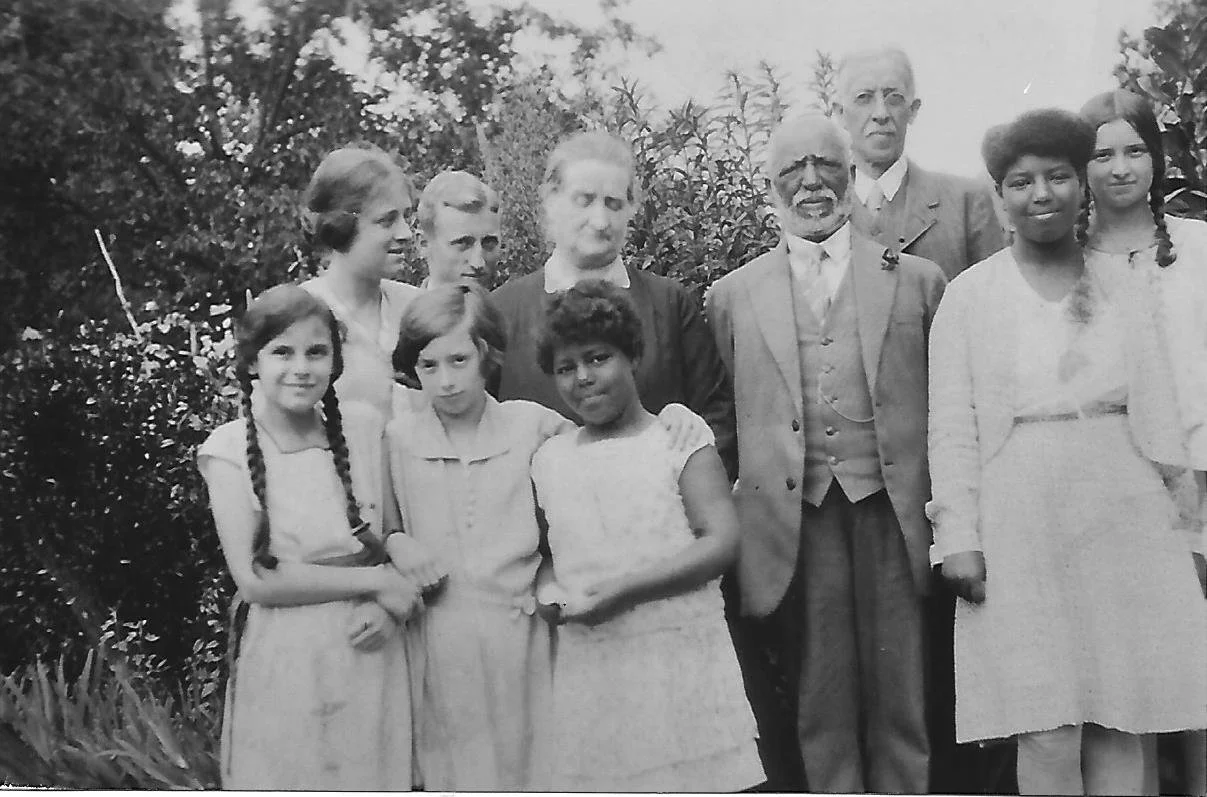
Yewubdar, Senedu, and Kentiba with a Swiss family
3.
The family was able to return to Ethiopia in 1941. Yewubdar chose to work as a secretary in the Ministry of Foreign affairs. At the time, she was the only woman working in the imperial government office, taking phone calls, organizing the office, and handling correspondence. Two years later, Emperor Haile Sellassie granted Yewubdar permission to travel to Cairo to study music full-time– her dream.
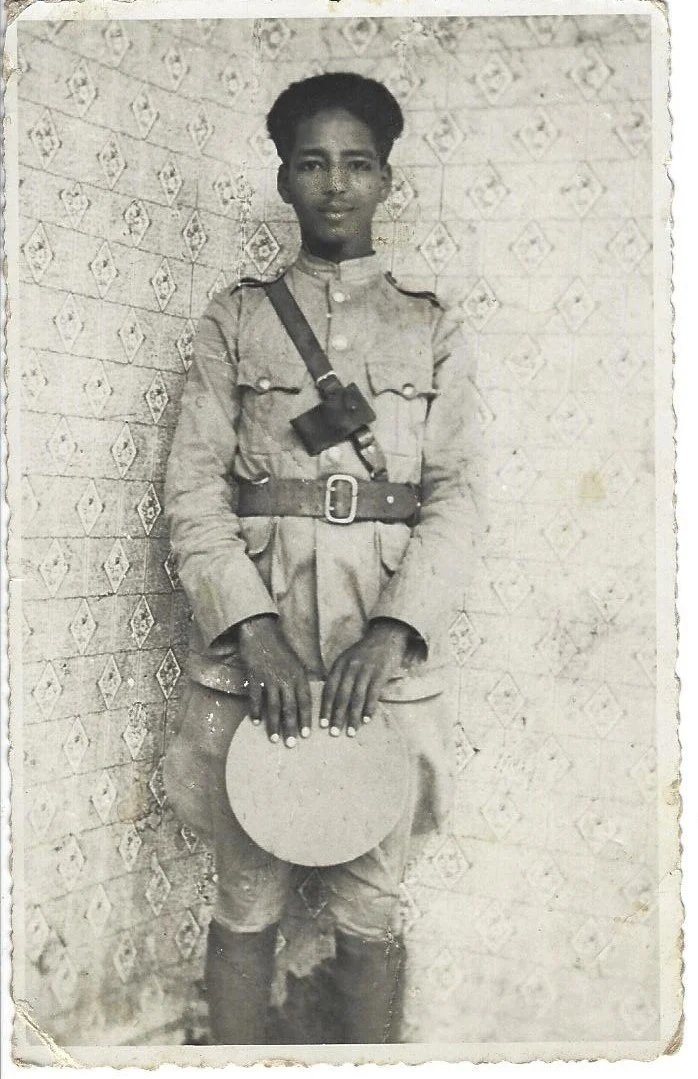
Lieutenant Meshesha Gebru (1)
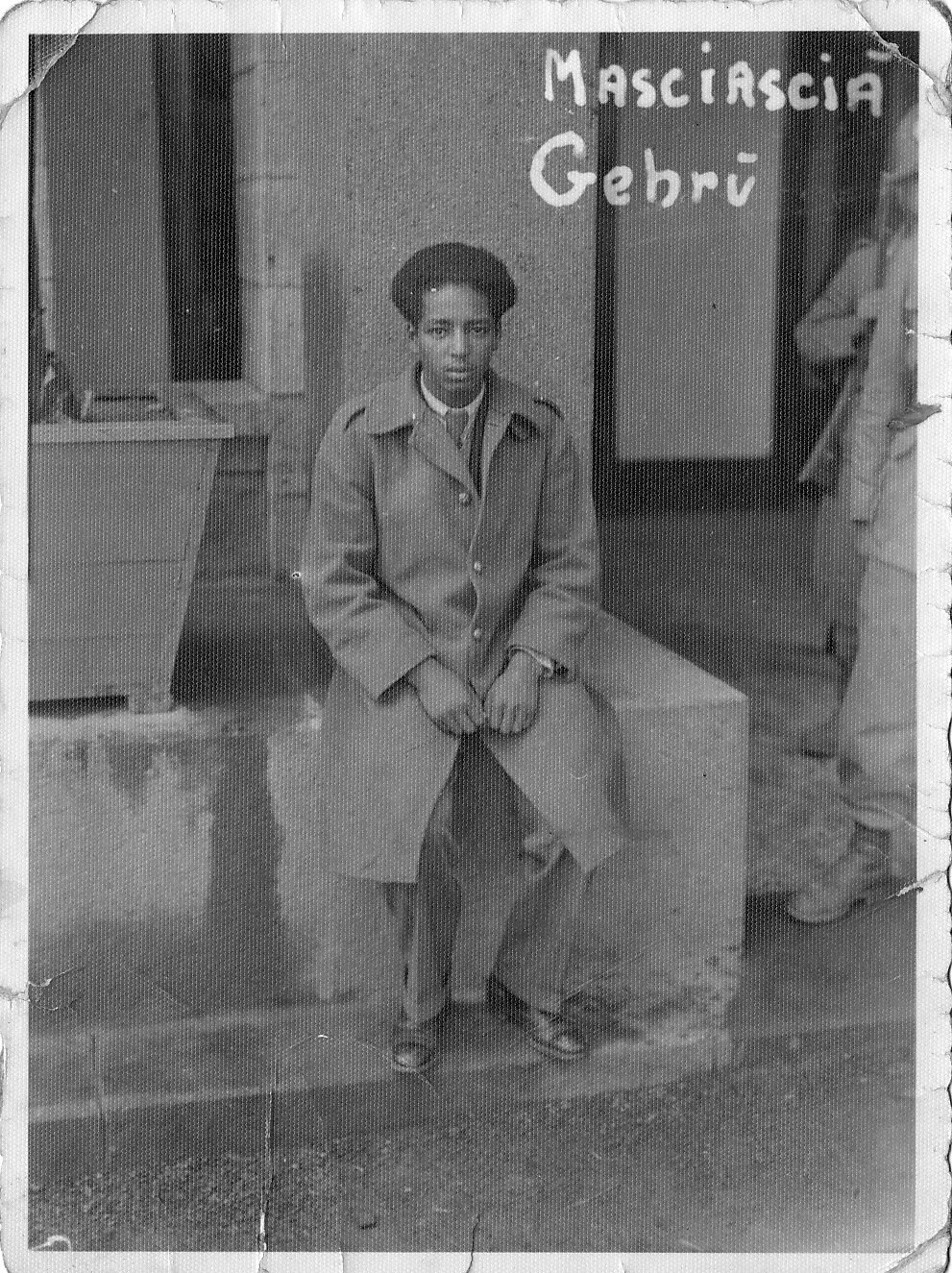
Lieutenant Meshesha Gebru (2)
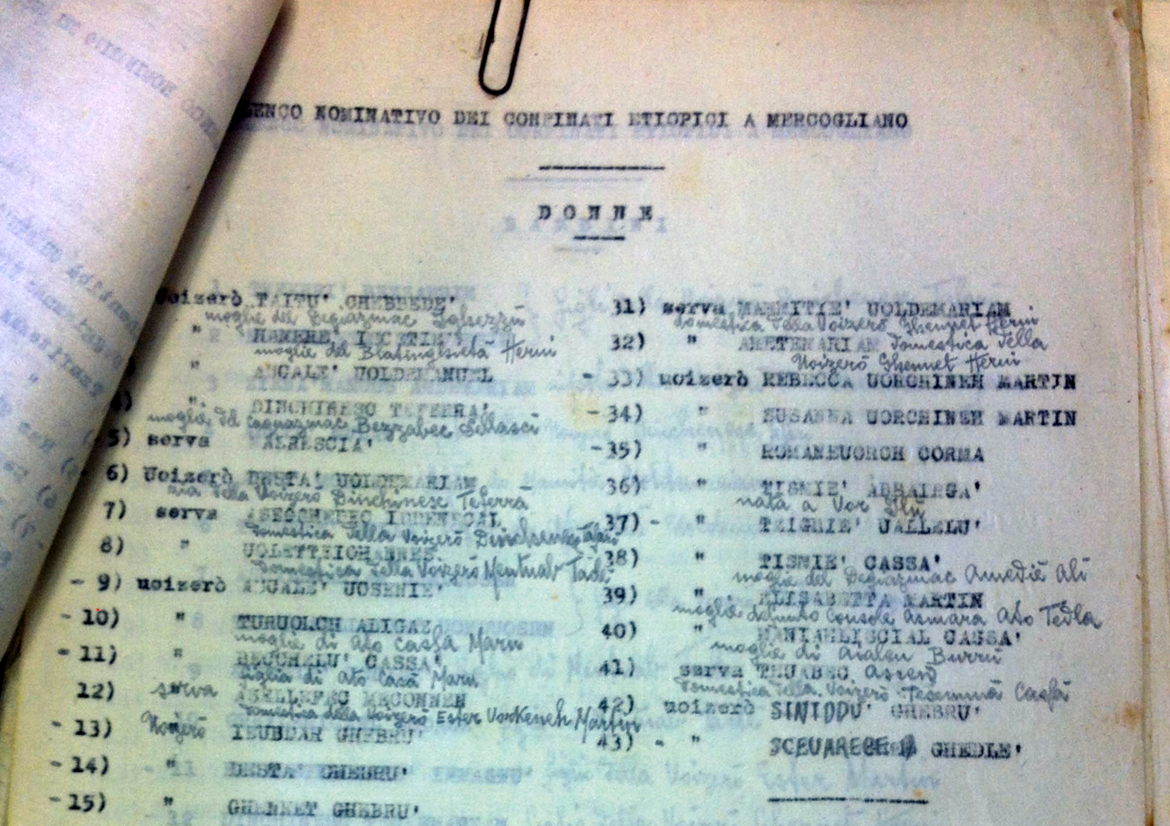
A list of prisoners at Asinara. No. 13: “Woyzero Ieubdar Ghebru,” listed above her sisters Desta and Genet.
4.
Yewubdar’s time in Cairo would be “the happiest period of [her] young life.” She received intense musical training from two Polish masters for both violin and piano, the former for 4 hours a day and the latter for 5 hours a day. She also had time for leisure, going out with a chaperone to sightsee, catch movies, enjoy fine dining, amongst other activities.
Unfortunately, Cairo’s scorching climate proved too inhospitable to Yewubdar’s health. She returned to Addis Ababa in 1944 with the ambition of traveling abroad to study music again as soon as possible. But misfortune struck again: Despite having received the necessary funds to attend the Royal Academy of Music in London, Emperor Haile Selassie this time denied Yewubdar permission to travel. The reasoning behind his decision remains a mystery.
Yewubdar fell into a deep depression, and in August 1945, during the two week Orthodox fast of the Ascension, she fasted for 12 days, taking only coffee. Feeling that death was near, she requested to be given a final Holy Communion, after which she fell into a deep sleep. When she awoke, however, she felt a surprising sense of peace. This moment marked the spiritual turning point of Yewubdar’s life. She now committed herself completely to the practices of the Ethiopian Orthodox Church. Her new dream was to serve her Redeemer as a nun.
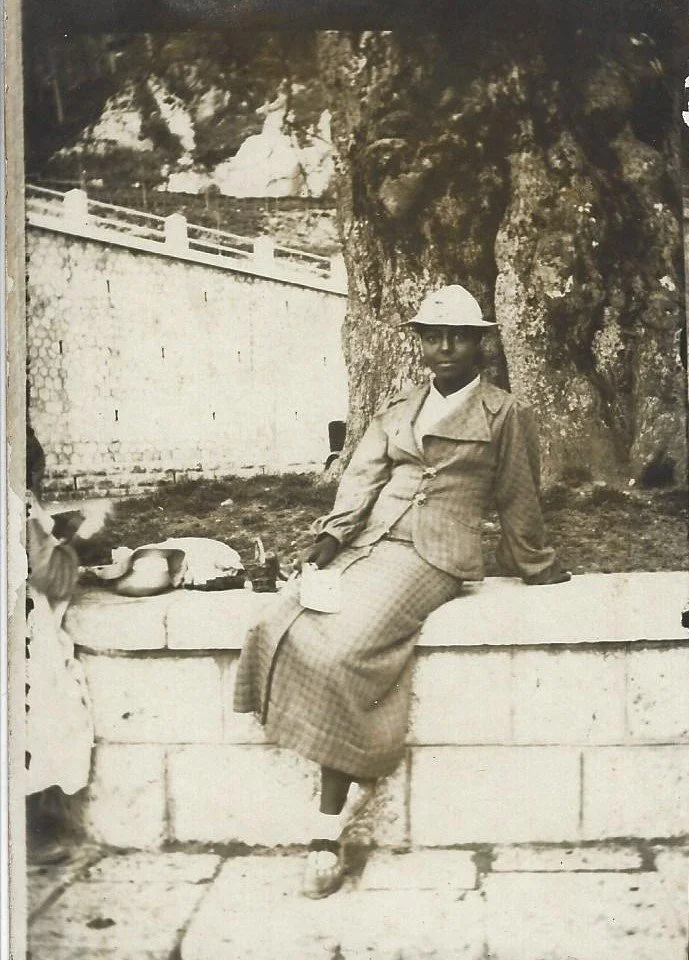
Yewubdar in Cairo
5.
In 1947, Yewubdar could no longer wait. With her mother, she took a holiday pilgrimage to a monastery in the Wollo province, situated on the cross-shaped mountain called Amba Gishen. Upon arrival, Yewubdar was overwhelmed with the desire to join the monastery there and then, much to her mother’s disapproval. The presiding Abuna (the honorific for chief bishops) also attempted to reason with her, urging Yewubdar to return in one year if she was still so compelled.
Sure enough, in 1948, Yewubdar set out for Amba Gishen with the desire to never return to secular life. The Abuna remembered her, and was shocked. Rarely did someone so young and with so many promising assets to lose choose to take the veil. But Yewubdar was steadfast, and the Abuna relented. And so, the next day she was given her new name, Tsege-Mariam, along with the female monastic title, Emahoy.
6.
In the years following, Emahoy Tsege-Mariam would travel back and forth between Amba Gishen and Addis Ababa, sometimes for medical treatment, sometimes to visit her family and play the piano. In 1949, Senedu, who was then the director of the Empress Menen Secondary School, asked Emahoy to write a song to accompany a play Senedu had written to commemorate their late brother, Meshesha. The result was Ballad of the Spirits, which Emahoy performed from behind a curtain to preserve her modesty. The Homeless Wanderer, too, was composed for one of Senedu’s plays, which came to be widely celebrated.
In 1958, Emahoy left the monastery to take up a private residence in Gondar. When she wasn’t occupied by activities of the Church, Emahoy continued to compose, producing during this time The Song of Abayi, The Storm, A Young Girl’s Complaint, and The Last Tears of A Deceased. She was entranced by the music of the ritual of the mahlet, and worked on reproducing what she heard the best she could on the piano.
During this time, Emahoy conceived of how her religious and musical practices could coincide. She understood that her musical talents were a unique asset to raise funds for those in need. For the rest of her life, Emahoy dedicated proceeds from her music to charitable causes, a legacy that continues today.
In 1963, Emahoy traveled to Germany for six months to record two albums: Spielt Eigene Kompositionen (Plays Her Own Compositions) and Der Sang des Meeres (The Song of the Sea). She stayed with Senedu, who was living there with her husband, Major Assefa Lemma, who had recently been appointed Ethiopia’s Ambassador to Germany. Emperor Haile Selassie financed the first album, and Emahoy’s sister’s husband, General Kebbede Gebre, sponsored the second.
The recording of The Homeless Wanderer that Emahoy produced for Spielt Eigene Kompositionen would become familiar to citizens across Ethiopia, as Emperor Haile Selassie chose it to accompany state radio broadcasts throughout the 1970s. It was also used as part of a serial radio reading of the novel Fikr Eske Meqaber (Love Unto the Grave). Though she went uncredited, Emahoy’s composition became associated with the identity of the nation, and pierced the hearts of thousands.
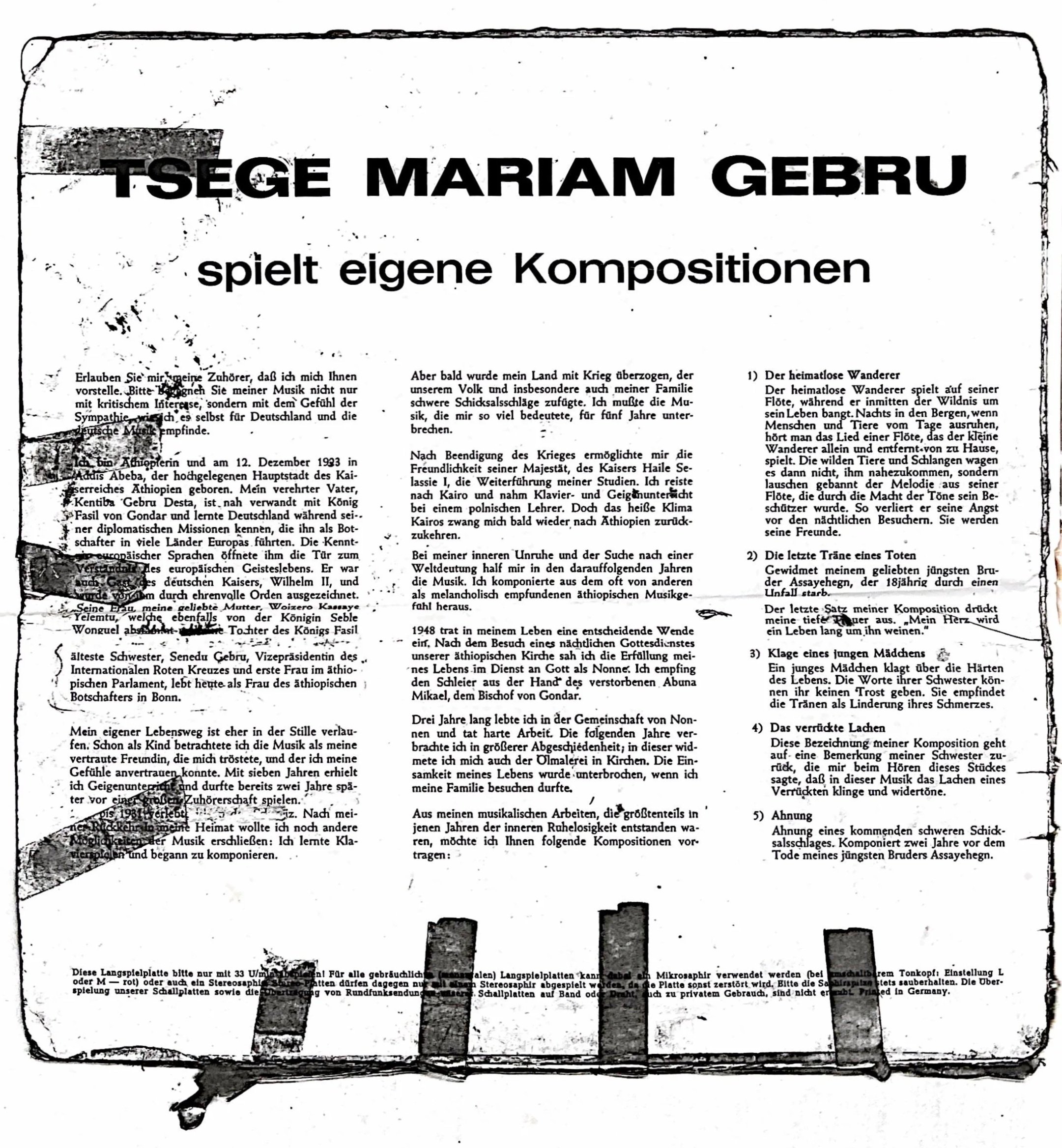
Backside of one of the original pressings of Spielt Eigene Kompositionen
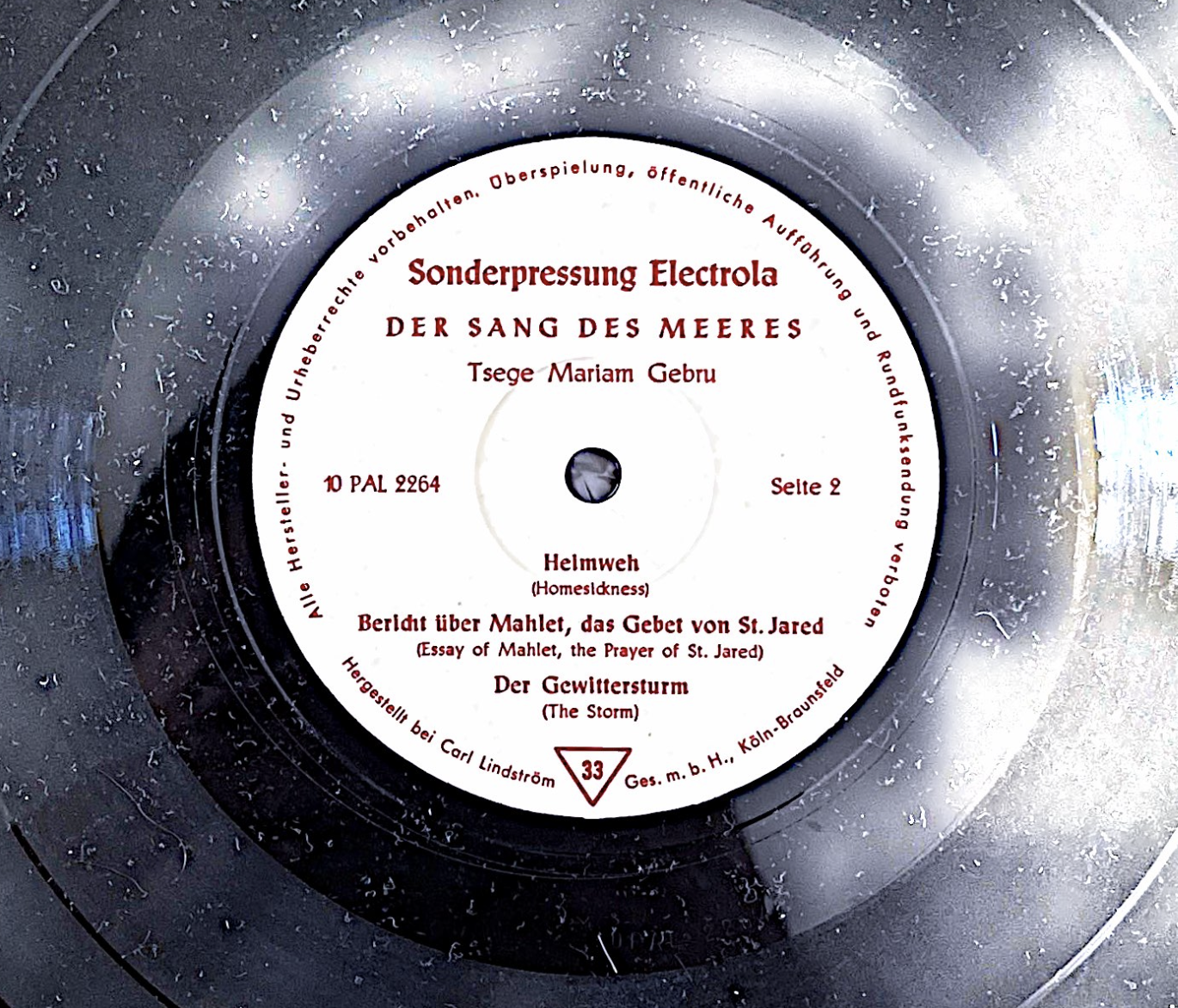
Side 2 of Der Sang des Meeres, containing “Homesickness,” “Essay of Mahlet,” and “The Storm.”
7.
By 1970, Emahoy was living in Jerusalem and found the city incredibly stimulating to her not only spiritually, but also creatively. In just the first months of the year she composed “Golgotha,” “Prayer for Peace. Psalm 22,” “The Jordan River Song,” “The Garden of Gethsemane," and “Jerusalem.” The titles of these songs mark her momentary turn of creative inspiration from memories and family members to more explicitly religious subjects.
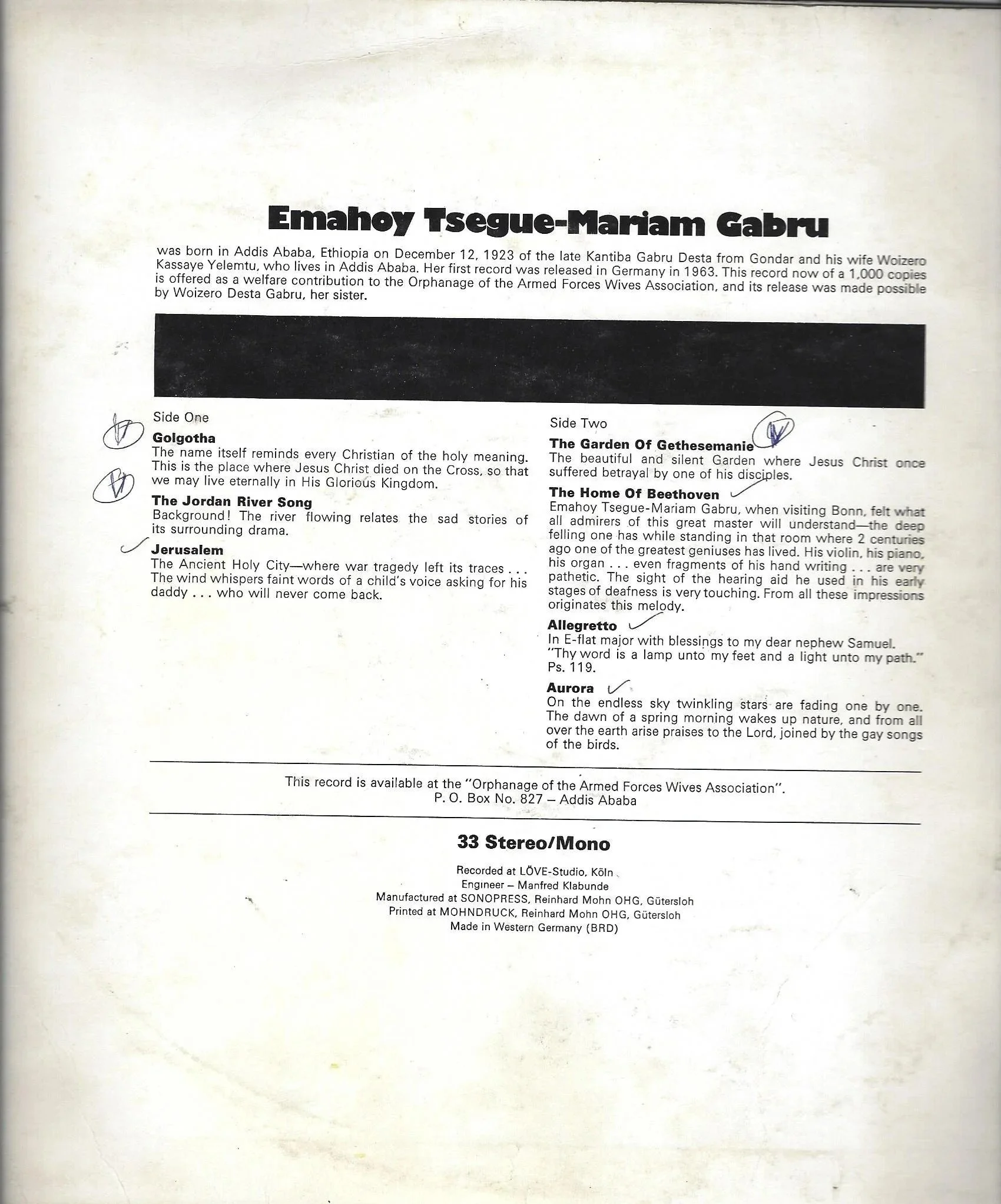
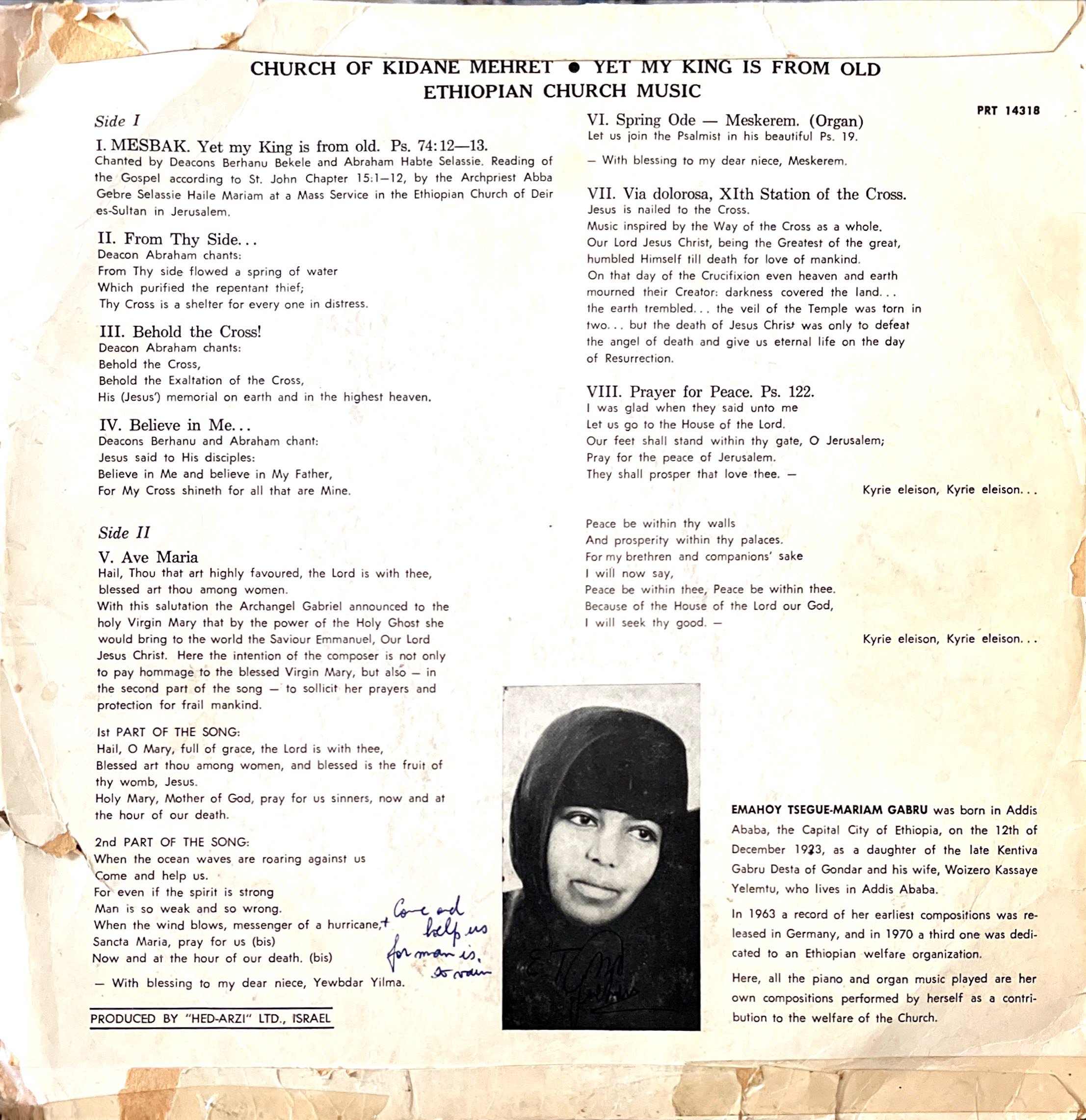
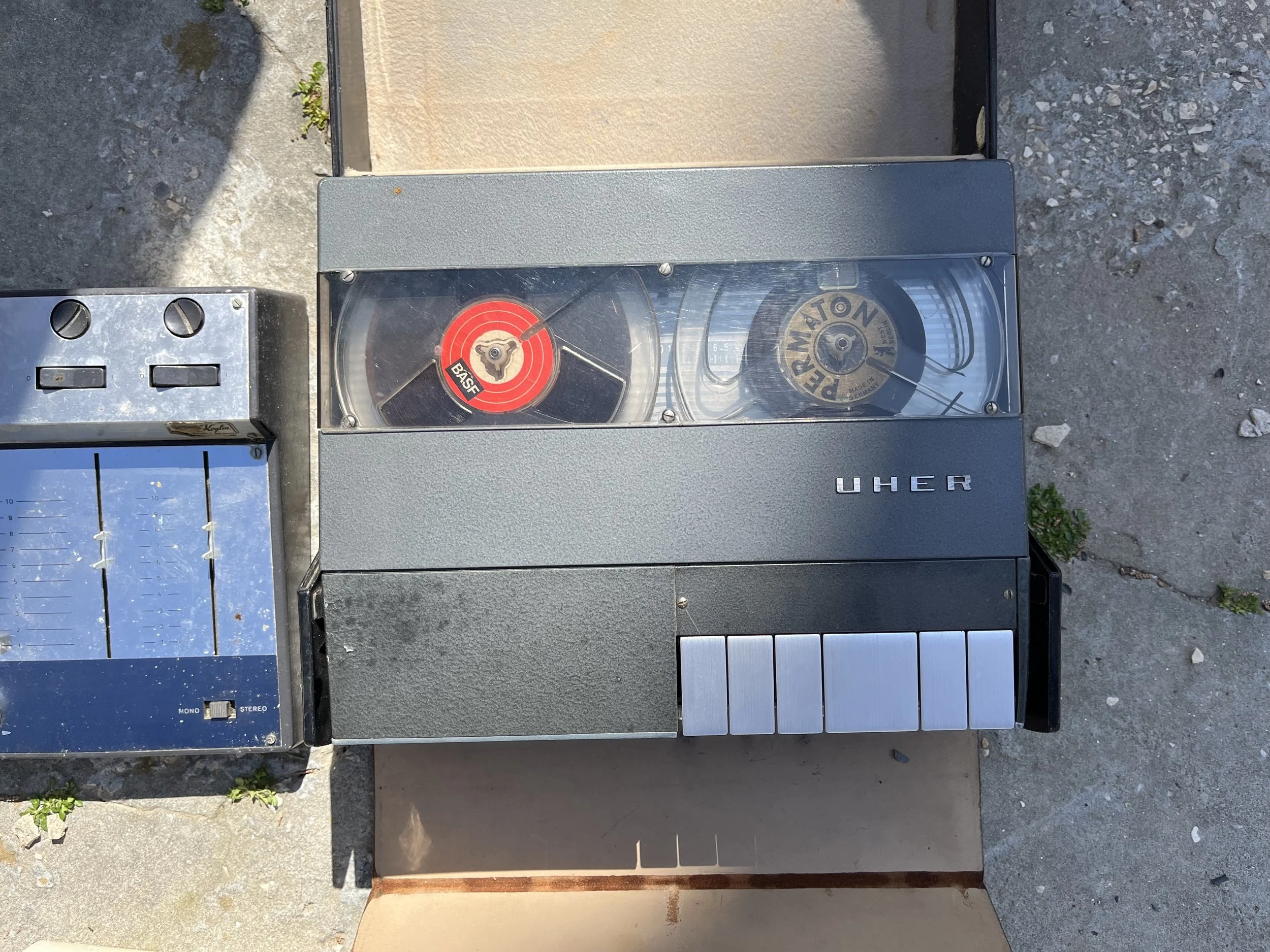
1972 saw Emahoy return to Germany to record two more new albums: The Hymn of Jerusalem – The Jordan River Song, and The Church of Kidane Mehret – Yet My King Is Of Old. The former was made available for purchase at an orphanage at Addis Ababa run by Emahoy’s sister Desta, who also financed the album. The latter is notable for the fact that Emahoy recorded all of it herself with home recording equipment, playing on and recording from pianos and organs inside nearby churches whenever they were freely available.
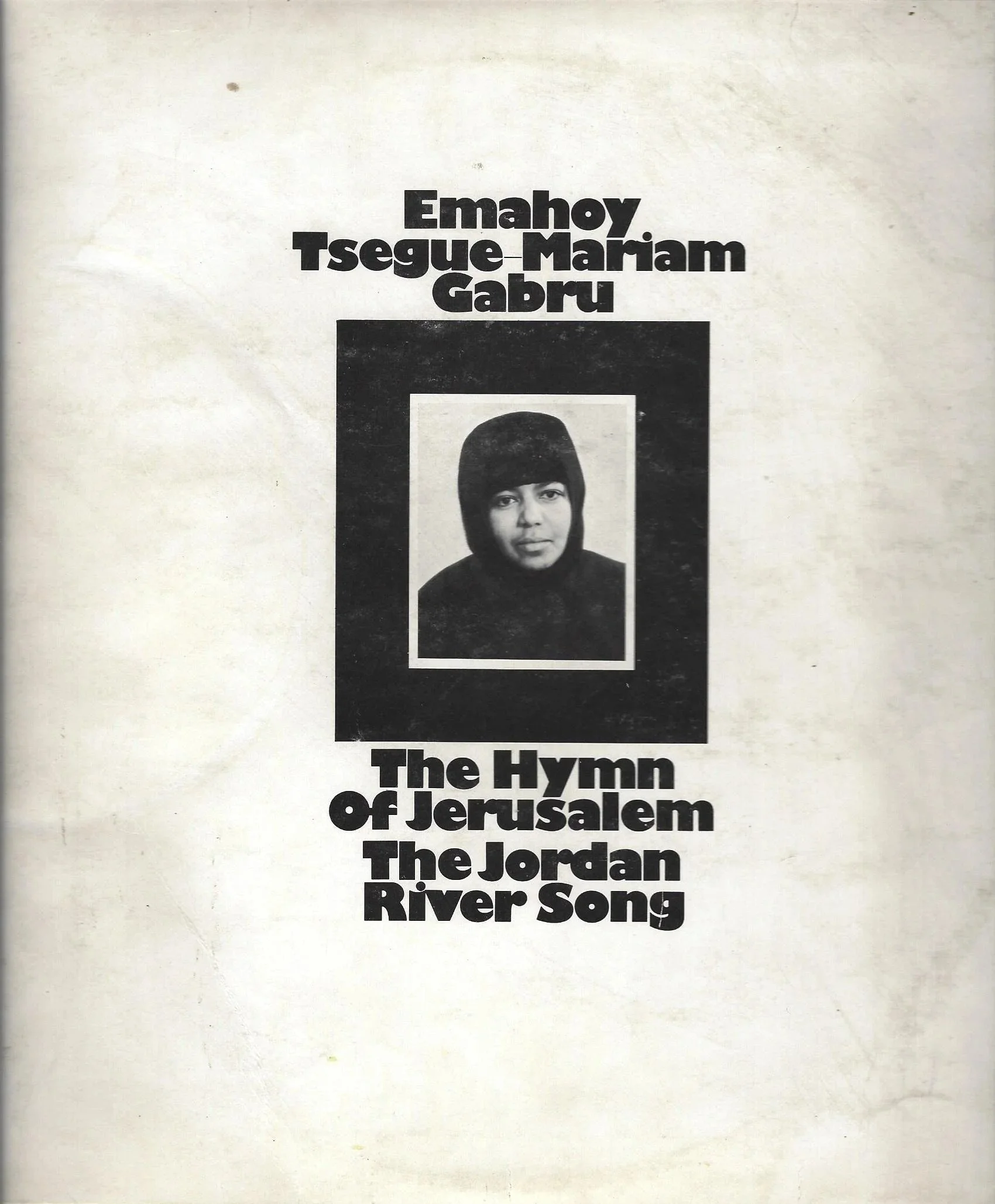
Original front and back of The Hymn of Jerusalem
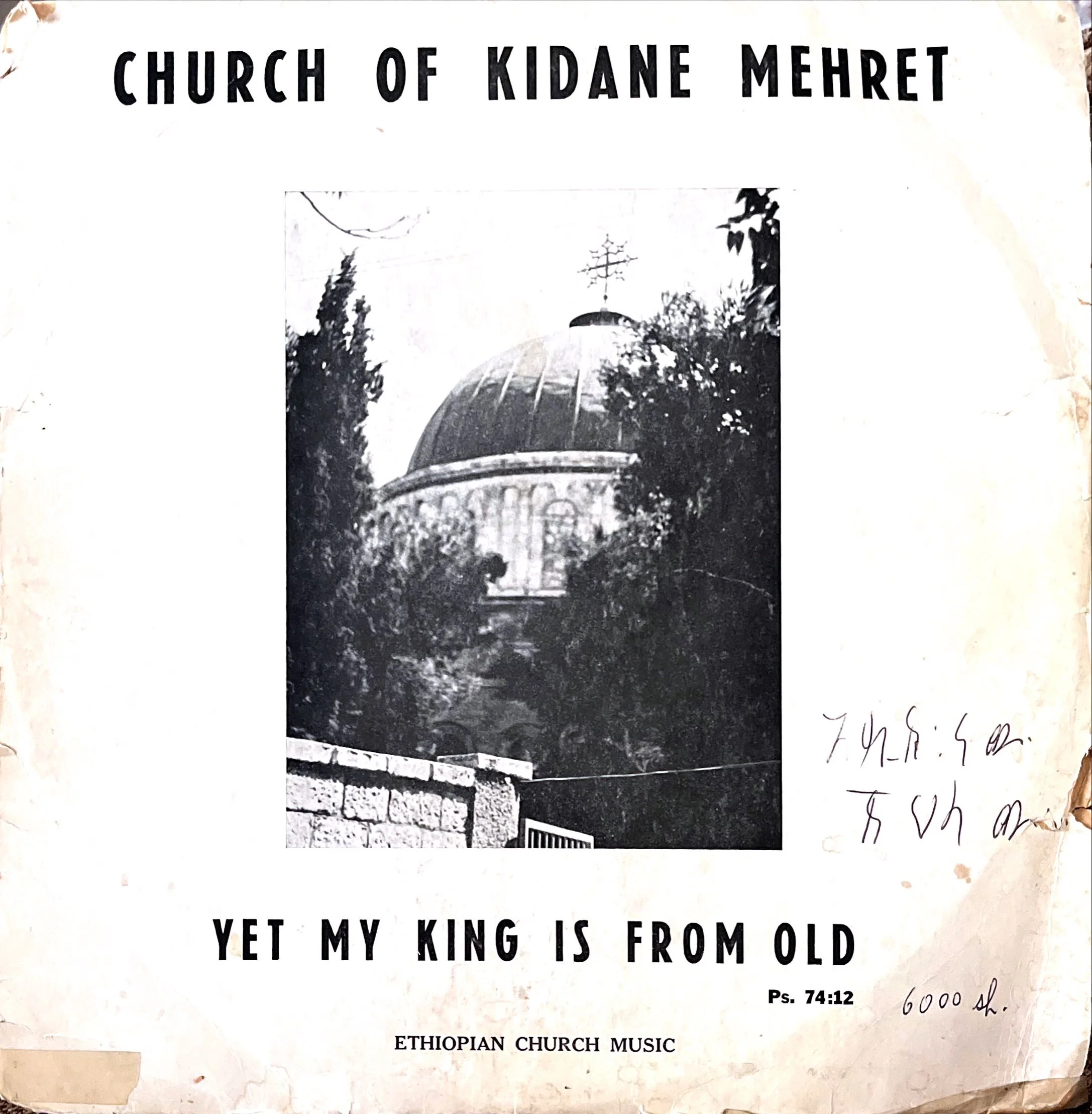
Original front and back of Kidane Mehret
For the benefit of the Foundation, Emahoy produced a CD titled The Visionary in 2012. It was a collection of reissues of songs not found on Éthiopiques. (Later, in 2023, these songs would be reissued again by Mississippi Records under the title Jerusalem.) In 2013, Emahoy produced her last independent album, titled Souvenirs, the proceeds of which went to the Ethiopian Church in Jerusalem. There were sixteen songs on this album, all sung in Amharic. Later, in 2024, a selection of these songs would be remastered and reissued by Mississippi Records under the same name, Souvenirs, to critical acclaim.
9.
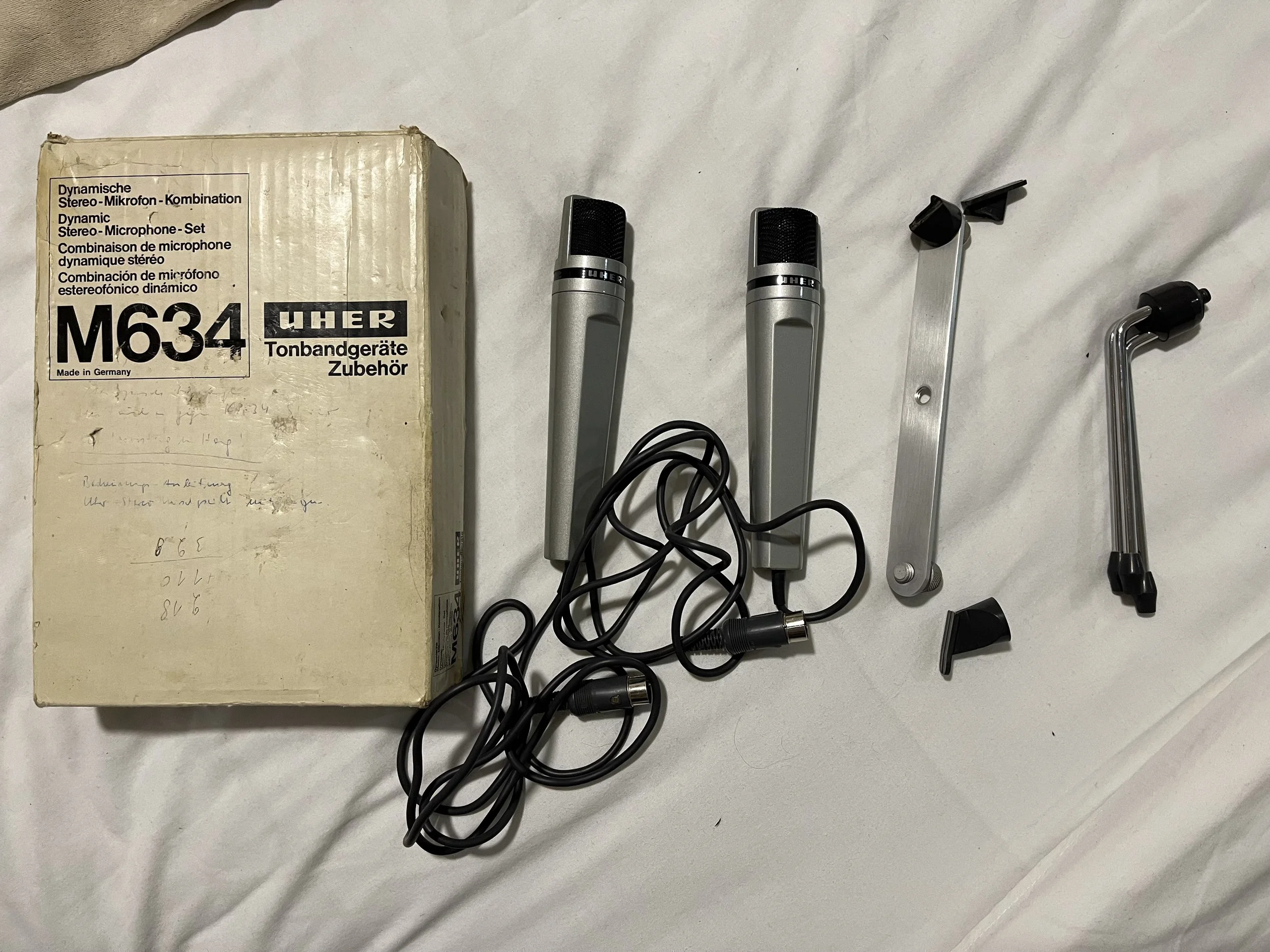
Tape recorder and microphones found in Emahoy’s room in Jerusalem.
Emahoy returned to Addis Ababa and was living and composing in her mother’s home by the start of 1973. She started composing more pieces with a vocal accompaniment and practiced putting Psalms to music. In 1974, Emahoy traveled with Desta and a group of Red Cross volunteers to the province of Wollo to lend aid and to be “an eye witness of the horror of the famine disaster” occurring there. Shaken by the experience, Emahoy composed “Famine Disaster 1974”.
The subsequent revolution that swept through Ethiopia in the 70s kept Emahoy’s composing to a minimum. A military movement called the Derg emerged and steadily arrested government officials, even deposing Emperor Haile Selassie and putting him under house arrest, where he eventually died amid rumors that he had been assassinated. Among those executed was Emahoy’s brother-in-law Minister of Defense General Kebbede Gebre, husband to Desta, who had sponsored Emahoy’s second album. (General Kebbede is also the father of Hanna Kebbede, a co-founder of the Emahoy Tsege Mariam Music Foundation.)
Following her mother’s death in 1984, and with the permission of the government, Emahoy left for Jerusalem, never to return to Ethiopia.
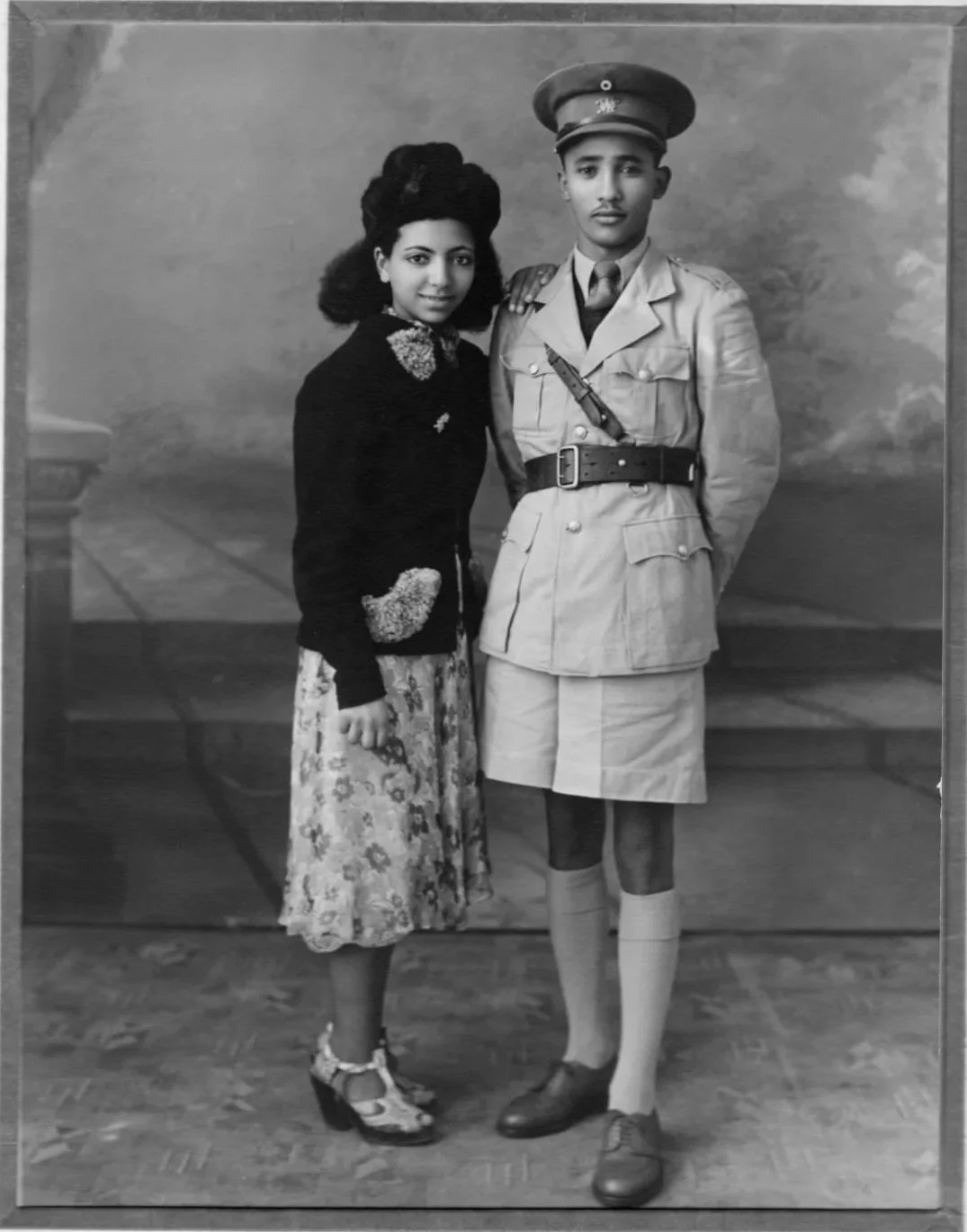
Desta and General Kebbede Gebre
8.
For the rest of her life, Emahoy’s home was Debre Genet Monastery in West Jerusalem. She took on several responsibilities for the Church, which presided over the seven Ethiopian monasteries in Israel and the West Bank. She translated and typed outgoing correspondence, worked as a tourist guide, and authored educational pamphlets about the theology and history of the Ethiopian Church, about which she became very well-read.
For the next decade and a half, Emahoy put her musical activities mostly on hold, composing or playing very intermittently. There were no pianos on the monastery premises, and her peers reportedly objected or outright forbade her playing at all. According to strict Orthodox interpretations of monastic customs, playing the piano would represent a worldly attachment from a secular life that she was supposed to have renounced. But an exception arose in 1996. To raise proceeds to repair an Ethiopian Church in Jericho that had been damaged in the Six Days War in 1967, Emahoy released a fifth album, her first CD: Plays Own Earlier Compositions. She held fast to her belief that her music and its relation to the Church, and therefore God, was a form of service to both.
In 1998, Emahoy appealed to her niece, Hanna Kebbede, to promote her music, first asking her to help sell 300 copies of Plays Own Earlier Compositions. Hanna’s mother, and Emahoy’s sister, Desta, had recently died, as had their sister Genet; Emahoy expressed to Hanna her anxiety about the fate of her music after her own passing. The next time Hanna visited her aunt in Jerusalem, she returned to her home in New York with a suitcase full of her music sheets and all her tapes, “making me a steward of her work.”
Hanna did exactly that. In time, she got in contact with Francis Faleceto, a French producer behind the Paris-based label Buda Musique and its celebrated archival reissue series, Éthiopiques. In 2006, a compilation of Emahoy’s piano solo recordings was released as the twenty-first volume of Éthiopiques.
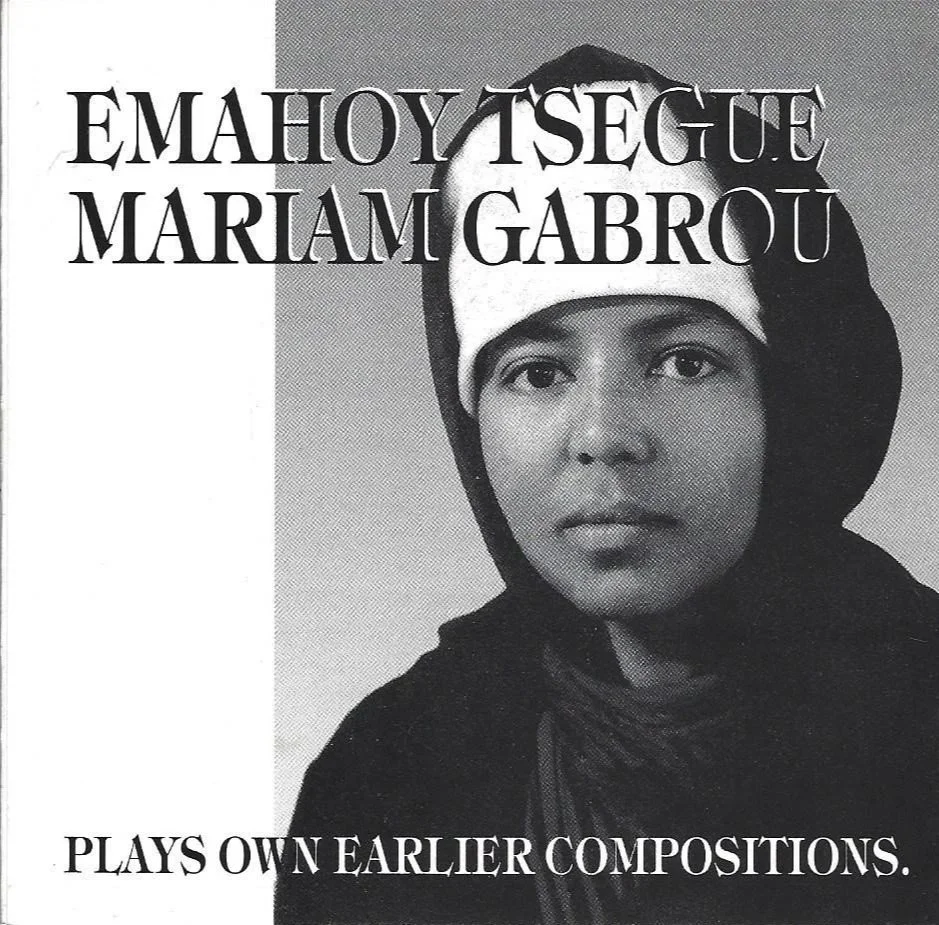
CD cover of Plays Own Earlier Compositions
10.
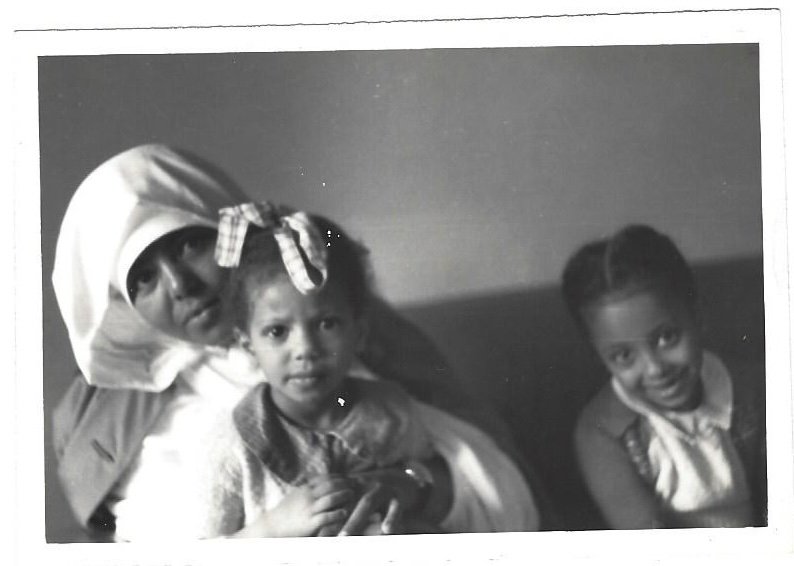
Emahoy and Hanna Kebbede (far right)
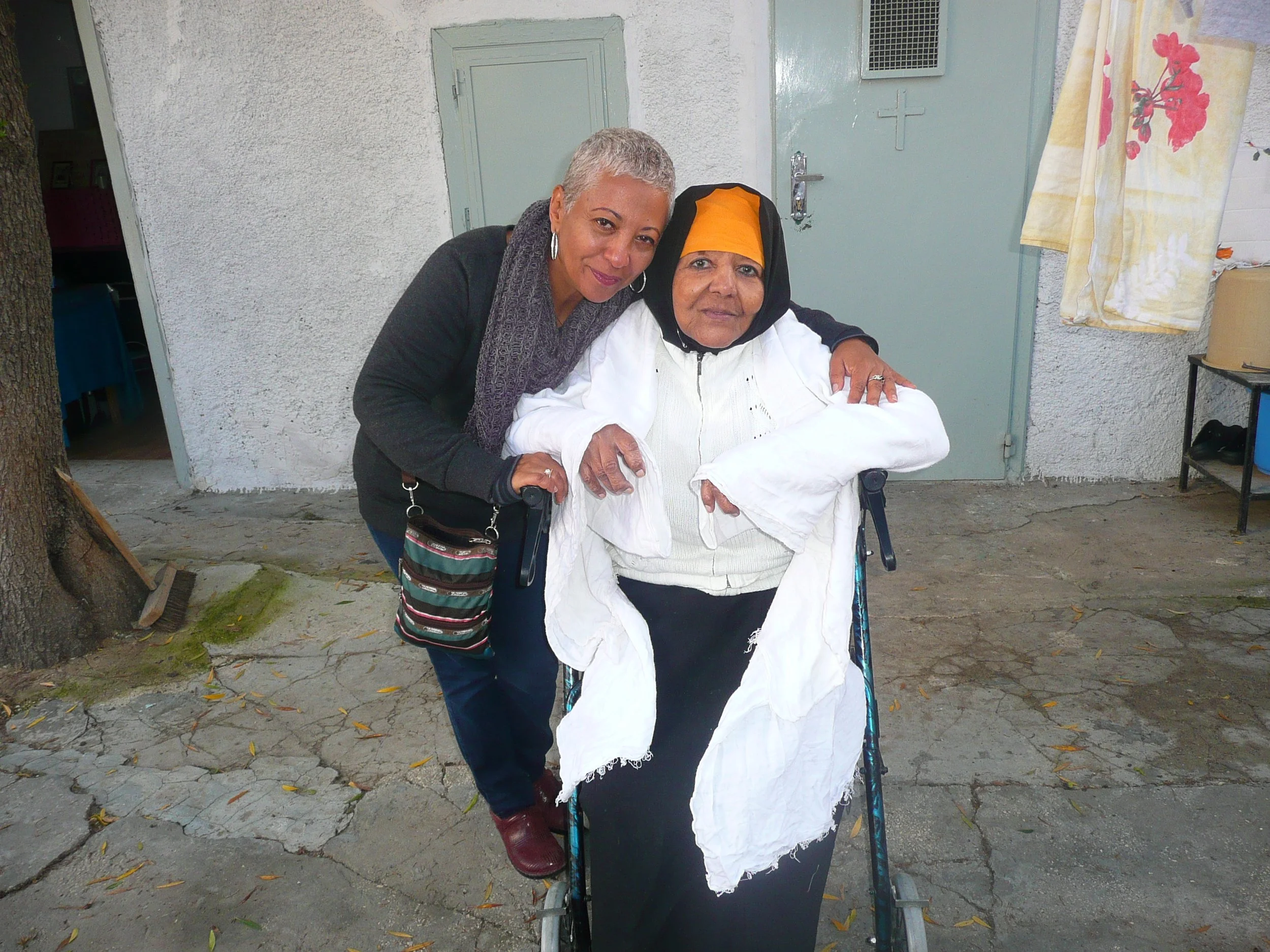
Hanna Kebbede and Hanna, 2014
In 2007, Hanna Kebbede co-founded the Emahoy Tsege Mariam Foundation with Daniel Assefa (one of Emahoy’s nephews) and Lucy Gebre-Egziabher, extending her aunt’s musical and charitable legacy in the form of an independent, non-profit organization based in DC. Bringing together two of Emahoy’s lifelong causes– music and children– the Foundation’s mission is to fund music education programs for underserved children in Ethiopia and the US. To the Foundation’s benefit, Emahoy donated her published and unpublished compositions, and performed her first concert in almost thirty years in DC on July 12, 2008. This would be her last concert.
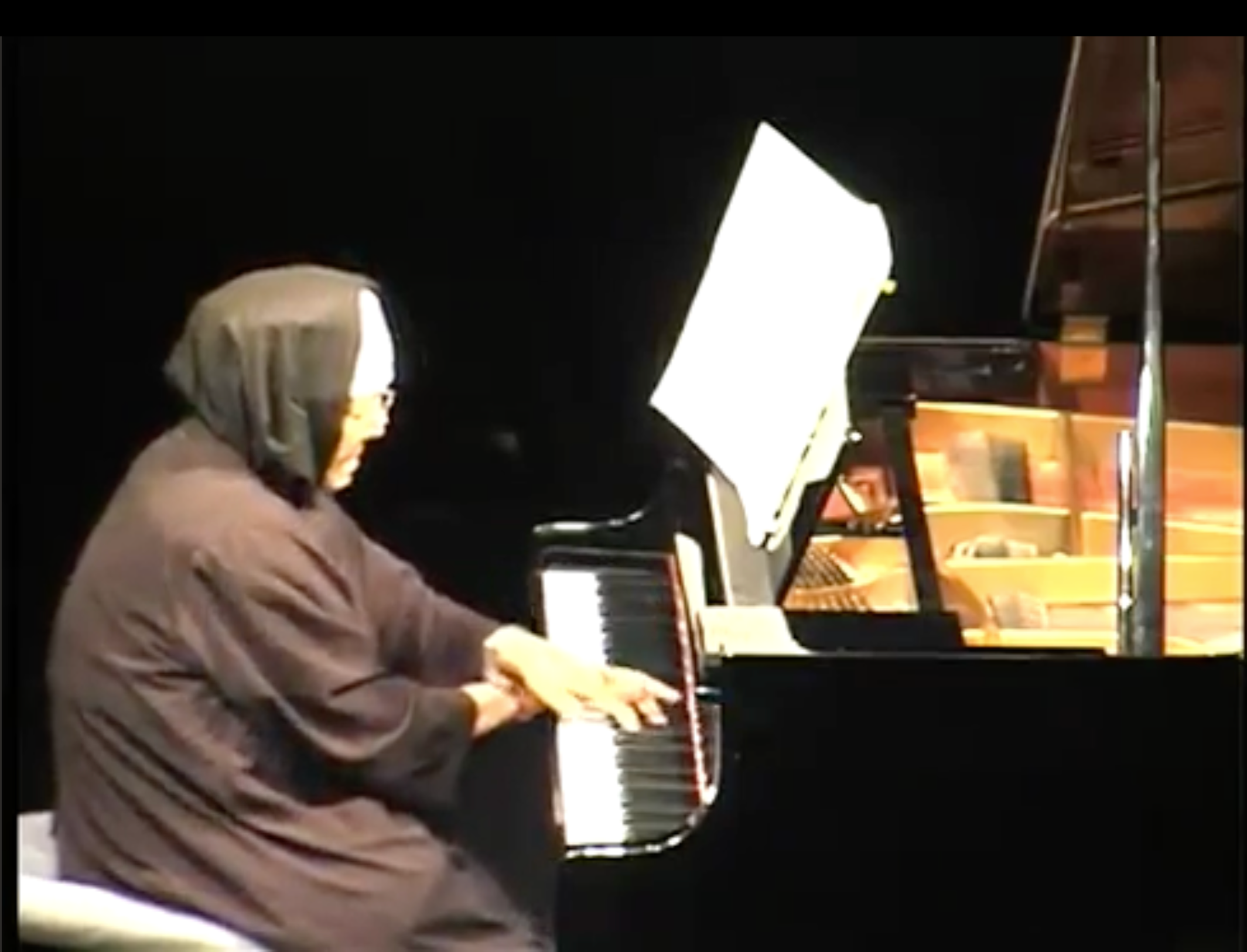
Emahoy performing at her 2008 DC concert
In the coming years, many musicians sought out Emahoy and lent a helping hand in growing and nurturing her legacy. Among the most notable are Nadav Haber, Maya Dunietz, and Mary Sutton. Nadav helped Emahoy purchase a new piano for her home in Jerusalem, wrote the first formal analysis of her music, and was the first person to play music with Emahoy. Maya and Mary each contributed to creating music sheets for Emahoy’s compositions, and recorded conversations with Emahoy about her life and music for later reference.
“I didn’t want to be famous, really,” Emahoy said towards the end of her life. I asked also God that my name be written on heaven, not on earth. But He wanted me… not to lose the music. It’s only by the grace of God.”
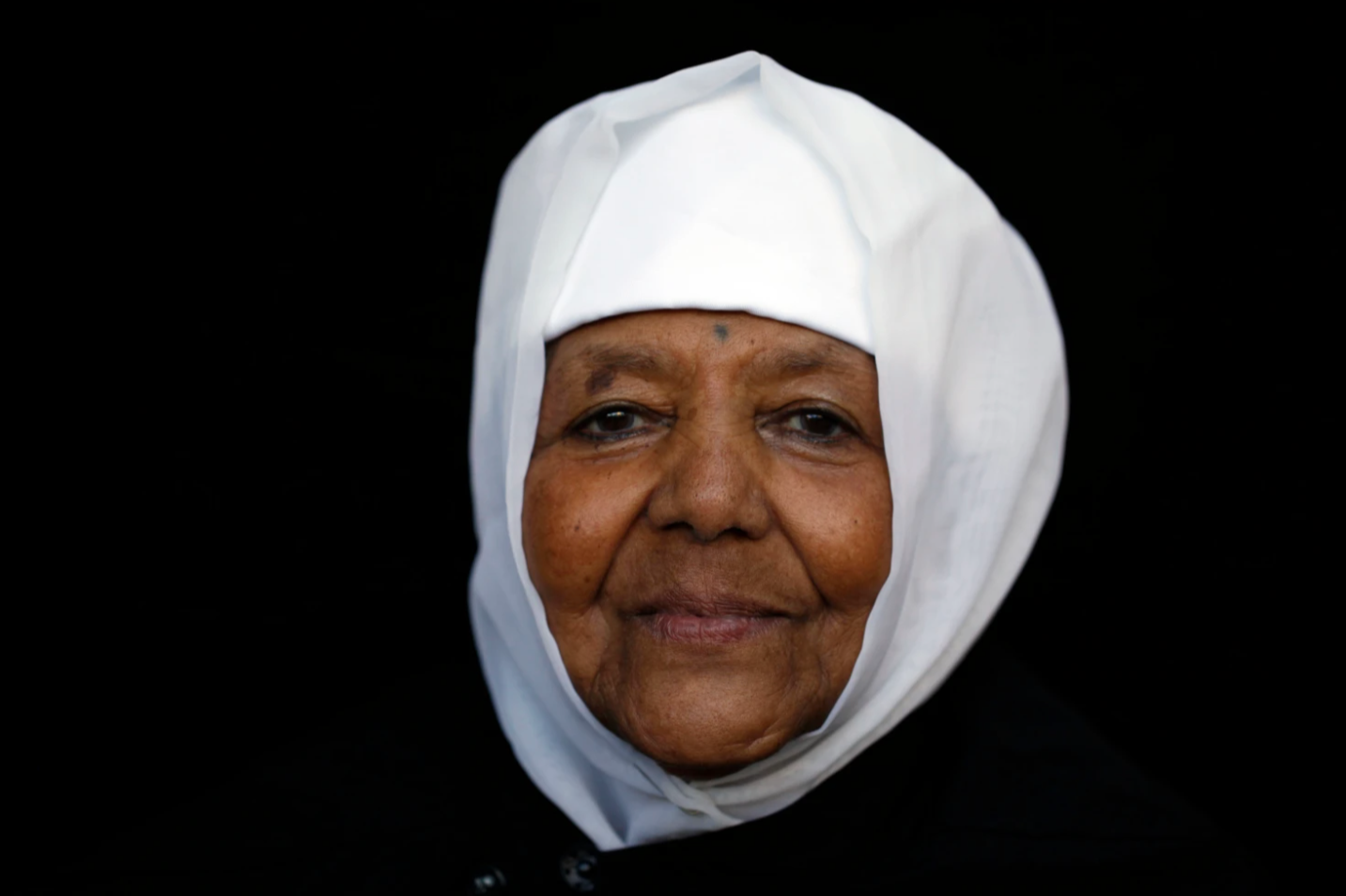
Emahoy Tsege Mariam Gebru died in Jerusalem on March 26, 2023, her 100th year. She was interred in the Palestinian town of Al-Eizariya, the site of another Ethiopian monastery (Meskabe Qeddusan) that includes a cemetery on its grounds. In November of the same year, a concert was held at the Kennedy Center in Washington DC to honor and celebrate her legacy.
The work of sharing Emahoy’s life and music with the world continues!
Works Cited:
Feng, Thomas T. “The Life and Music of Emahoy Tsege-Mariam Gebru.” DMA, Cornell University, 2025.